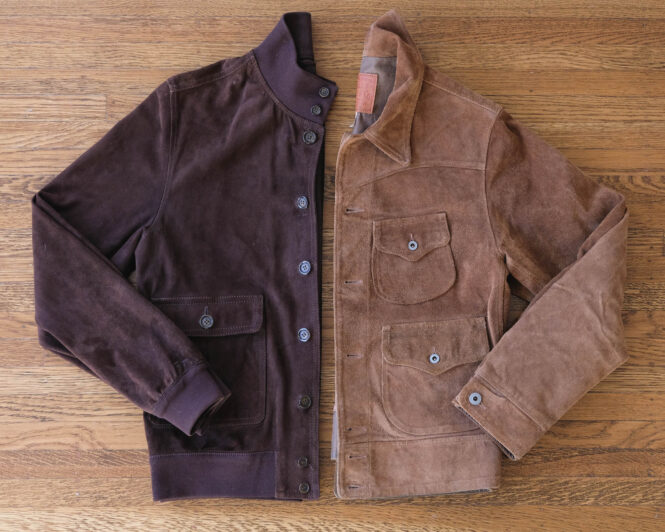
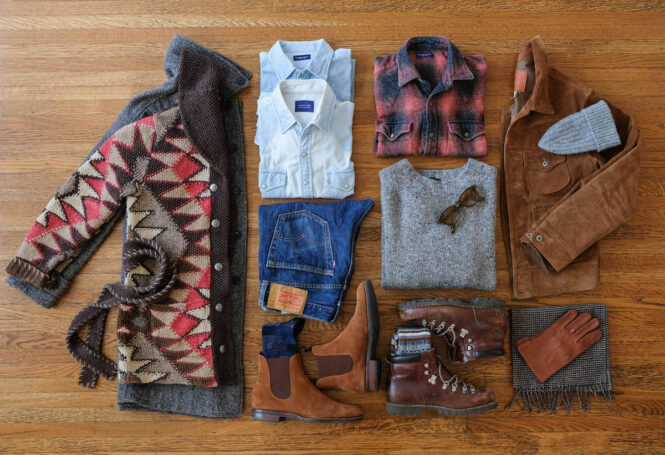
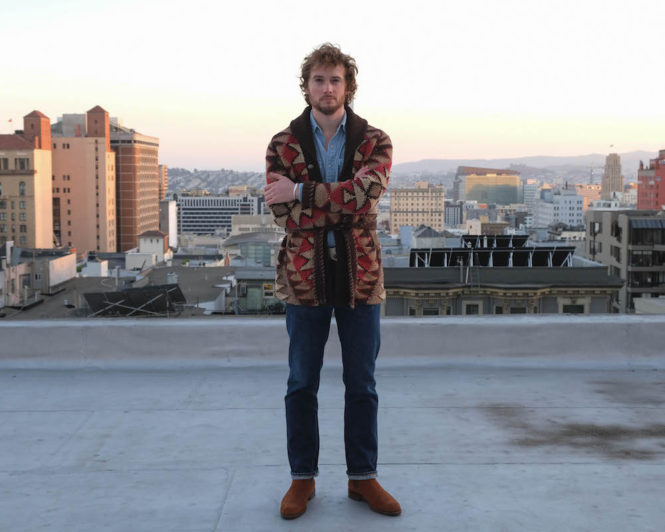
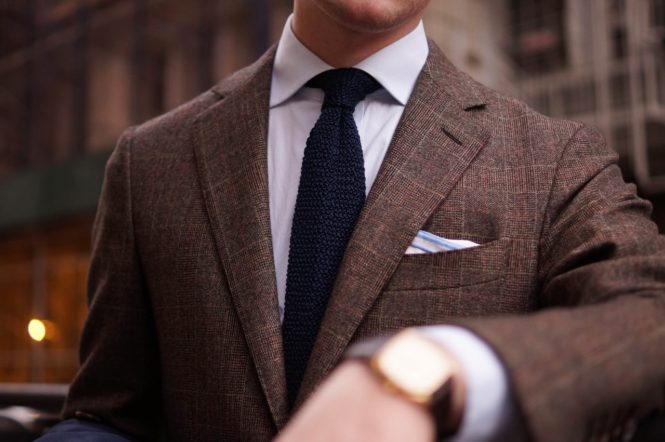
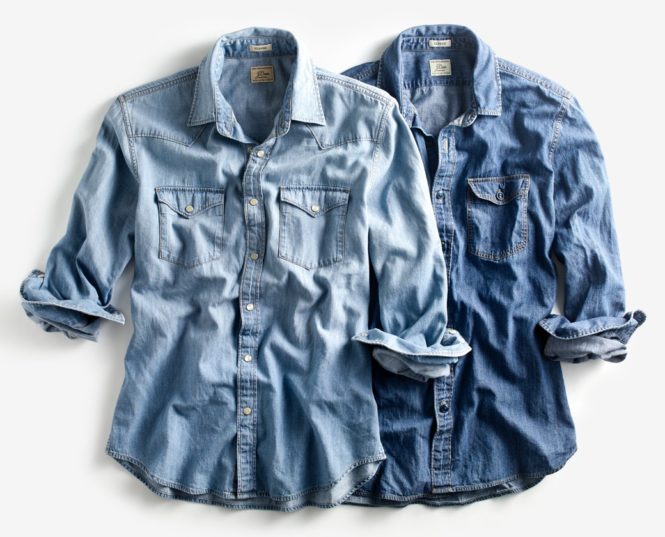
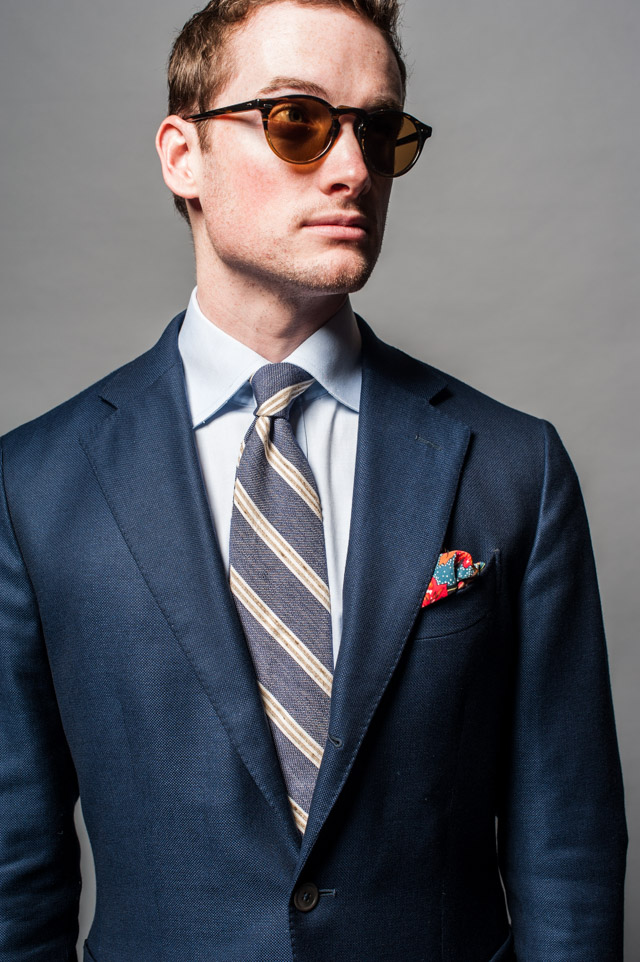
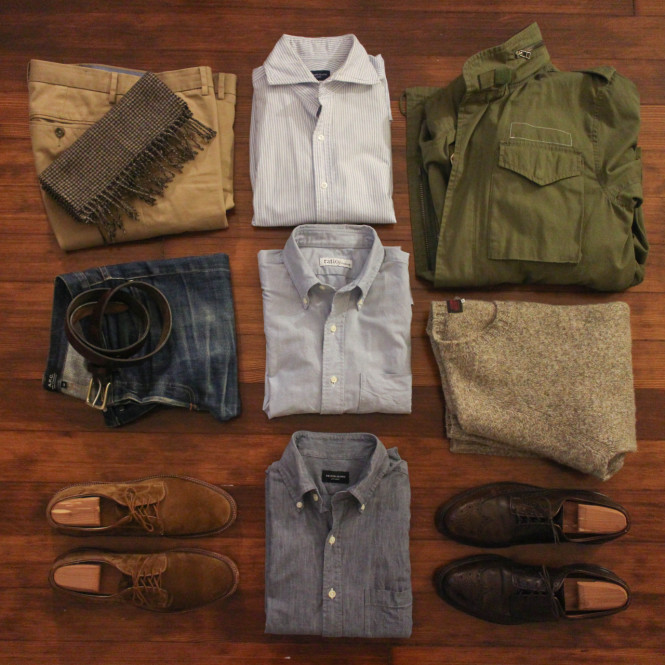
I have a feeling that I’ll be wearing some slight variation of this almost every day for the next four months (if the weather continues to cooperate, that is).

I have a feeling that I’ll be wearing some slight variation of this almost every day for the next four months (if the weather continues to cooperate, that is).

Business Casual Basics, Part III: Shoes

Previously: Part I, Part II. This is the third installment for my fellow white collar ballers.

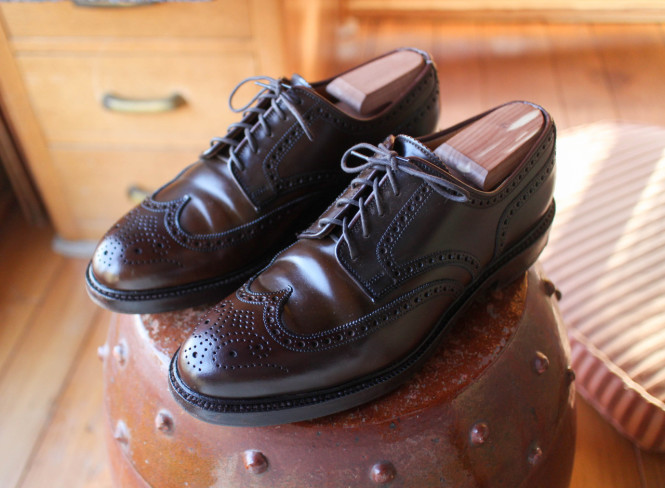
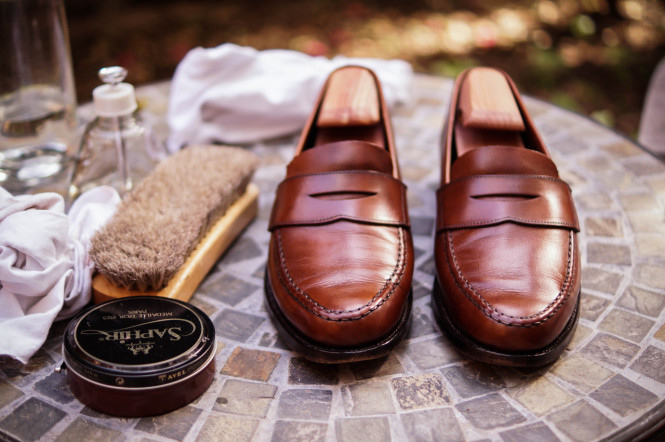
If you’ve spent any time learning about men’s clothing (be it from family, friends, or the internet) you’ve probably heard a disproportional amount of talk about shoes. Shoes are a huge part of what dressing well is about (both in cost and importance), even though they take up a fairly small amount of space on your body. It can’t be stressed enough; shoes are often what separate the men from the boys, and business casual workplaces are notorious for bad shoe choices. A little bit of knowledge here will go a long way. Shoes are also the foundation of your outfit in stylistic and structural terms; if you buy well and take care of your purchases they will in turn keep you comfortable and stylish for decades.

1. Save up some money.

This one has the potential to get expensive. Accept the fact that high-quality shoes will be expensive if bought new, and can even be pricey when bought secondhand. Thrifting can be a good option here as well.

2. Learn the differences between “real shoes” and bad shoes.

High-quality shoes are expensive for many reasons, but the biggest two are material quality and construction. These qualities are much more important with shoes than they are in a shirt or pair of pants because shoes need to stand up to a tremendous amount of wear. Read Kiyoshi’s post and Put This On’s article to get a sense for what I’m talking about. If you buy a high-quality welted shoe that fits well and is well taken care of it will last for decades. Trust me.

Need some help finding out which brands can be trusted for high quality shoes and which can’t? I’ve included a short list at the bottom of this post, but my rule of thumb (toe?) is this: don’t buy shoes from any manufacturer that can’t tell you what last their shoes are made on. Any respectable shoe maker will have products on a range of last choices and will be able to tell you about them.

3. Understand the different styles and their applications.

Ready for some shoe terminology? This should be enough to get you started.

Read More

Business Casual Basics, Part II: Dress Pants 
After some positive feedback from my first business casual post (I see you, Reddit) I’ve decided to continue the series for my fellow white collar ballers (being a baller is not actually required). Again, this may be old hat to some, but for those that are interested – read on. 
1. Please stop buying black dress pants.
Just stop it. Right now. Unless you’re a classical musician or a waiter there’s really no need to go there. 
2. Assess your needs.
First, learn how people in your office dress and what the official stance on business attire is (if there is one). Some easy questions to ask yourself: does everyone have their pants creased or are they unpressed? Do you see wool slacks or cotton chinos or denim? If your office is anything like mine then all of these are perfectly acceptable, leaving the decisions to you. In my mind, business casual pants fall into three broad categories:
“Trousers.” This is a bit of a catch-all term, but in my mind it signifies pants made from a dressy fabric (usually some weave of wool, but any fiber will do) and with creases running up the legs. They will also have more formal details like slanted pockets, buttoned back pockets and hidden seams. These would be the equivalent of the bottom half of your suit, but without a matching jacket (you have a suit, right?).
Chinos. Named after the twill fabric that they are usually manufactured from, these bad boys are casual in nature but have become perfectly acceptable in most offices. These feature external stiching, rugged fabric, and a lack of creasing (or any pressing).
 Denim. Now before you get too excited, this isn’t a free pass for jeans in the office. I’m talking about dark, unadorned, slim/straight denim with no rips and holes. When done right this can work well with casual fabrics like oxford cloth and tweed.
Once you figure out what your office’s feel is and where your personal tastes lie you can start looking to purchase. Try to keep things consistent with the rest of your outfit; if you wear spread collars, ties and blazers you’re going to need trousers for just about every day. If you wear button down oxford shirts, sweaters, and loafers then you can roll with just chinos and denim. 
3. Figure out how these things should fit.
Now, this will depend on several things, namely your body shape, the pant style and your personal preferences. Much like shirts, the general concept is to find something that flatters your shape without pulling or looking constrictive. However, I believe that the fit should vary between the type of pants.
Trousers: due to their formal nature, I tend to lean towards classic proportions here. The nicer fabric will allow them to drape in an attractive manner and this is lost when they become overly snug. I don’t wear trousers tapered past 8” and I look for a rise that will allow them to sit above my hips.
As the intermediate choice, chinos can land anywhere on the spectrum. I prefer to keep mine on the slim side but make sure that my legs aren’t tapered past 7.5-8” (and I’m a lanky guy).
Denim can be worn slimmer than the other two styles, but within reason. I keep my denim snug in the thigh and waist as it tends to stretch with wear. I usually have a taper of about 7.5”.
Learning what pant fit suits you best will take some time and experimentation, but at the very least be conscious of the choices you make in this area so you can adjust in the future if need be. More information on fit can be found here and here. 
4. Gray, gray, gray, and then something close to gray (but still not black).
Gray is a great (gray-t?) color for trousers because it provides a solid foundation for the rest of your outfit without detracting from it. It’s hard to think of a traditional shirt or blazer color that won’t look good with gray pants (with the exception of gray, of course). Embrace the color and make it the cornerstone of your collection; your brown, tan and navy blazers will thank you. Add variety by using different shades and fabrics. Of course, denim is best in navy and chinos are classic in khaki, but stick with gray trousers until you’re well on your way to a full wardrobe.
5. Experiment with materials and texture rather than colors.
Wild colors can be fun but I find that diversifying with different fabrics is a more versatile way to expand your daily choices. Worsted wool is a standby for trousers, but consider flannel, tweed, moleskin, linen, tropical wool or cotton canvas depending on your climate.
6. Pleats: the ultimate divider
Pleats got a bad reputation when they became the go-to for guys giving PowerPoint presentations. I grew up in a world of relaxed fit triple-pleat Dockers and it was not pretty. However, there is a time and place for pleats. When worn correctly (up on your hips and not pulled open) they can help create a smoother appearance of the lines in your pants, especially for men with larger seats and thighs. However, if you don’t know much about how pleats operate I would suggest avoiding them until you know if they’ll be beneficial to you. More information can be found here.
7. Break it up.
The break of a pant leg is a crucial but often ignored aspect of fit. The term “break” refers to how far the pants extend down your leg before ending. A “full break” will involve the pant leg folding upon itself several times over the shoe, whereas no break implies that the pants end before even touching your feet. A medium break is an easy choice, but current trends favor slight/no break (as do I). Narrower pant legs will look best a bit shorter, and vice versa. More information here and here. 
8. Care for your clothes.
Take care of your clothes. Trousers should be hung and aired out before thrown in a closet. Dry clean only and do it as little as necessary. Chinos can usually be washed in a machine, and I prefer to hang dry mine. Iron if needed. Denim should stay out of the dryer and washed infrequently; the specifics beyond that vary depending on who you ask.
9. Make a list and stock up.
Pants for work can be found almost anywhere, but here is a short list (not complete by any means) that may help narrow your search.
Trousers: Howard Yount, Epaulet, Brooks Brothers, Land’s End
Chinos: Epaulet, Bonobos, J. Crew, Land’s End Canvas, Ralph Lauren
Denim: Levi’s, Bonobos, 3Sixteen, A.P.C.
Part I of “Business Casual Basics” can be found here.

Business Casual Basics, Part II: Dress Pants 

After some positive feedback from my first business casual post (I see you, Reddit) I’ve decided to continue the series for my fellow white collar ballers (being a baller is not actually required). Again, this may be old hat to some, but for those that are interested – read on. 

1. Please stop buying black dress pants.

Just stop it. Right now. Unless you’re a classical musician or a waiter there’s really no need to go there. 

2. Assess your needs.

First, learn how people in your office dress and what the official stance on business attire is (if there is one). Some easy questions to ask yourself: does everyone have their pants creased or are they unpressed? Do you see wool slacks or cotton chinos or denim? If your office is anything like mine then all of these are perfectly acceptable, leaving the decisions to you. In my mind, business casual pants fall into three broad categories:

  • “Trousers.” This is a bit of a catch-all term, but in my mind it signifies pants made from a dressy fabric (usually some weave of wool, but any fiber will do) and with creases running up the legs. They will also have more formal details like slanted pockets, buttoned back pockets and hidden seams. These would be the equivalent of the bottom half of your suit, but without a matching jacket (you have a suit, right?).
  • Chinos. Named after the twill fabric that they are usually manufactured from, these bad boys are casual in nature but have become perfectly acceptable in most offices. These feature external stiching, rugged fabric, and a lack of creasing (or any pressing).
  •  Denim. Now before you get too excited, this isn’t a free pass for jeans in the office. I’m talking about dark, unadorned, slim/straight denim with no rips and holes. When done right this can work well with casual fabrics like oxford cloth and tweed.

Once you figure out what your office’s feel is and where your personal tastes lie you can start looking to purchase. Try to keep things consistent with the rest of your outfit; if you wear spread collars, ties and blazers you’re going to need trousers for just about every day. If you wear button down oxford shirts, sweaters, and loafers then you can roll with just chinos and denim. 

3. Figure out how these things should fit.

Now, this will depend on several things, namely your body shape, the pant style and your personal preferences. Much like shirts, the general concept is to find something that flatters your shape without pulling or looking constrictive. However, I believe that the fit should vary between the type of pants.

  • Trousers: due to their formal nature, I tend to lean towards classic proportions here. The nicer fabric will allow them to drape in an attractive manner and this is lost when they become overly snug. I don’t wear trousers tapered past 8” and I look for a rise that will allow them to sit above my hips.
  • As the intermediate choice, chinos can land anywhere on the spectrum. I prefer to keep mine on the slim side but make sure that my legs aren’t tapered past 7.5-8” (and I’m a lanky guy).
  • Denim can be worn slimmer than the other two styles, but within reason. I keep my denim snug in the thigh and waist as it tends to stretch with wear. I usually have a taper of about 7.5”.

Learning what pant fit suits you best will take some time and experimentation, but at the very least be conscious of the choices you make in this area so you can adjust in the future if need be. More information on fit can be found here and here

4. Gray, gray, gray, and then something close to gray (but still not black).

Gray is a great (gray-t?) color for trousers because it provides a solid foundation for the rest of your outfit without detracting from it. It’s hard to think of a traditional shirt or blazer color that won’t look good with gray pants (with the exception of gray, of course). Embrace the color and make it the cornerstone of your collection; your brown, tan and navy blazers will thank you. Add variety by using different shades and fabrics. Of course, denim is best in navy and chinos are classic in khaki, but stick with gray trousers until you’re well on your way to a full wardrobe.

5. Experiment with materials and texture rather than colors.

Wild colors can be fun but I find that diversifying with different fabrics is a more versatile way to expand your daily choices. Worsted wool is a standby for trousers, but consider flannel, tweed, moleskin, linen, tropical wool or cotton canvas depending on your climate.

6. Pleats: the ultimate divider

Pleats got a bad reputation when they became the go-to for guys giving PowerPoint presentations. I grew up in a world of relaxed fit triple-pleat Dockers and it was not pretty. However, there is a time and place for pleats. When worn correctly (up on your hips and not pulled open) they can help create a smoother appearance of the lines in your pants, especially for men with larger seats and thighs. However, if you don’t know much about how pleats operate I would suggest avoiding them until you know if they’ll be beneficial to you. More information can be found here.

7. Break it up.

The break of a pant leg is a crucial but often ignored aspect of fit. The term “break” refers to how far the pants extend down your leg before ending. A “full break” will involve the pant leg folding upon itself several times over the shoe, whereas no break implies that the pants end before even touching your feet. A medium break is an easy choice, but current trends favor slight/no break (as do I). Narrower pant legs will look best a bit shorter, and vice versa. More information here and here. 

8. Care for your clothes.

Take care of your clothes. Trousers should be hung and aired out before thrown in a closet. Dry clean only and do it as little as necessary. Chinos can usually be washed in a machine, and I prefer to hang dry mine. Iron if needed. Denim should stay out of the dryer and washed infrequently; the specifics beyond that vary depending on who you ask.

9. Make a list and stock up.

Pants for work can be found almost anywhere, but here is a short list (not complete by any means) that may help narrow your search.

Trousers: Howard YountEpauletBrooks BrothersLand’s End

Chinos: EpauletBonobosJ. CrewLand’s End CanvasRalph Lauren

Denim: Levi’sBonobos3SixteenA.P.C.

Part I of “Business Casual Basics” can be found here.

It’s on Ebay: Ralph Lauren Purple Label Navy Knit Tie
Currently at $39.99 with no bids. This is a tie staple if I ever saw one, especially if you work in a casual environment. I grabbed the same model on ebay a while ago and wear it all the time. The construction quality is extremely high, the material is quite luxurious and the 3” width is spot on. These retail for about $120, so this auction gives a pretty fantastic deal for such a versatile piece.

It’s on Ebay: Ralph Lauren Purple Label Navy Knit Tie


Currently at $39.99 with no bids. This is a tie staple if I ever saw one, especially if you work in a casual environment. I grabbed the same model on ebay a while ago and wear it all the time. The construction quality is extremely high, the material is quite luxurious and the 3” width is spot on. These retail for about $120, so this auction gives a pretty fantastic deal for such a versatile piece.